White
Smooth
The best style depends on how the room is used, the look of your property and how you want the window to open. Compare the main options below, then use the interactive guide to narrow choices by room.
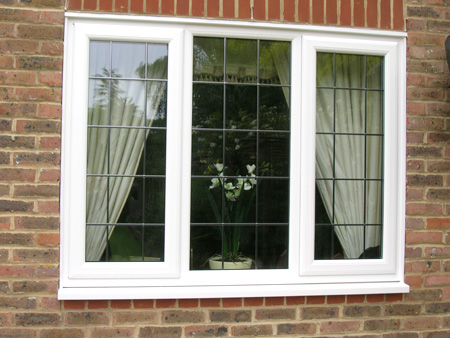
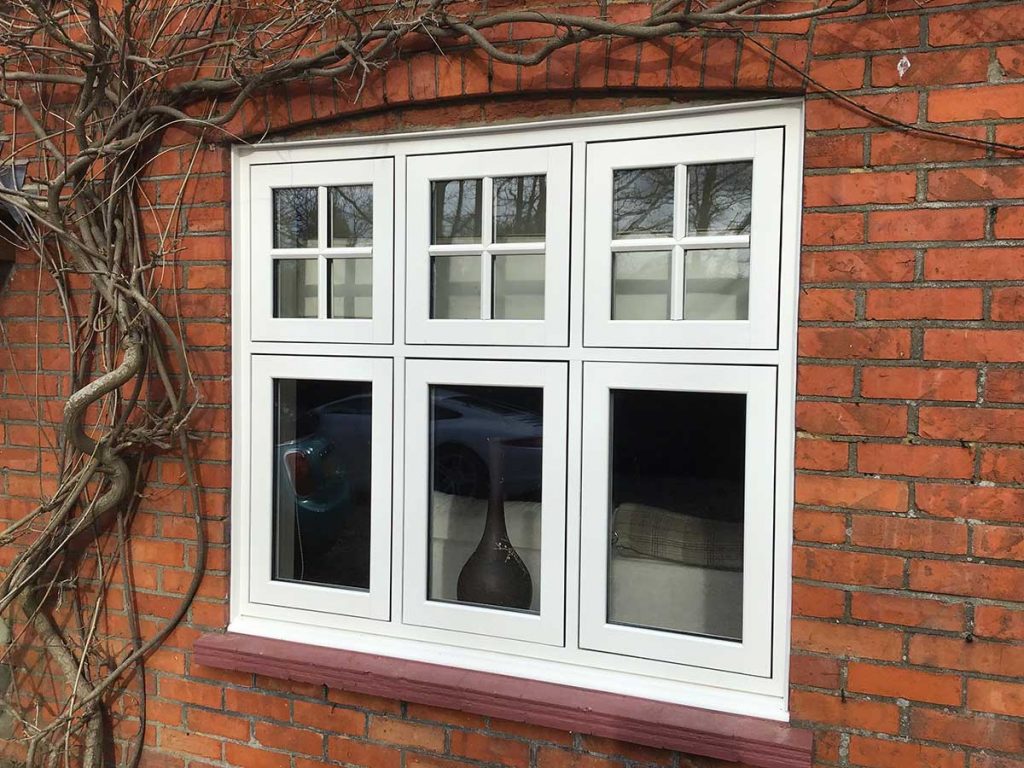
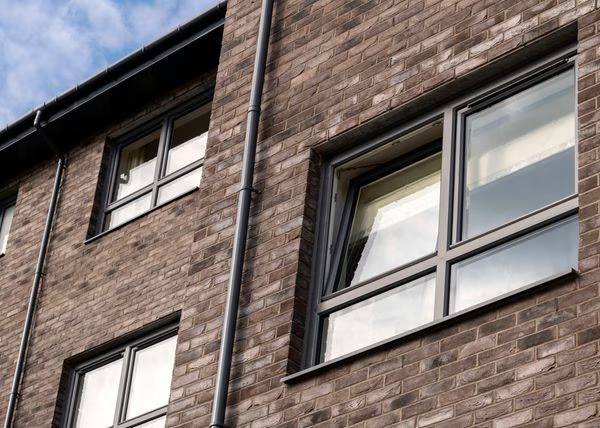
Pick your situation and what matters most, then tick up to three styles to compare opening behaviour, best uses and practical considerations.
Jump to suggestions and comparison
Modern sealed units reduce heat loss and draughts. We’ll talk through double or triple glazing, low-E glass and warm-edge spacers so the specification suits your home and budget.
Double glazing is our usual starting point for comfort and value. Triple glazing can suit some projects where the frame and budget allow. At survey we explain U-values, ventilation and any acoustic or safety glass needs room by room.
If existing units have failed, misting between the panes usually means the sealed unit has broken down — we can advise on replacement glass where the frames are still sound. See misted unit replacement.
Two panes with a sealed gap — the standard balance of warmth, noise reduction and cost.
Three panes where extra thermal performance suits the property and frame depth.
Locks, handles, restrictors and hinge choices are confirmed before you order — not left as afterthoughts. We specify multi-point locking and key-locking handles where suitable, plus safety glass and egress hardware where building regulations apply.
Quotes are subject to survey because every opening is different. We measure widths, heights and reveals, check cills and drainage, and discuss opening direction, glass, colour and any bay or bow details on site.
That visit is when handle positions, trickle vents, safety glass and internal clearance for tilt & turn windows are checked properly — so your written quote reflects the real job.
Our installers work neatly: old frames removed, new units positioned, foamed and sealed, then trims and silicone finished. Most standard replacements are completed in a day; larger jobs are scheduled with a clear timeframe.
We protect floors and furniture where practical and leave the work area tidy. Wear branded clothing on site where possible so you know who is fitting your windows.
Same-angle before and after photos are one of the clearest ways to judge a replacement. We’ll share relevant project examples at survey; the panels below show the type of transformation customers look for.
A few practical checks help you spot poor workmanship — and know what good fitting should look like. This is guidance, not scaremongering.
Gaps or uneven silicone around the frame can let in water and draughts.
Frames should sit square with consistent clearance and secure fixing.
Moisture between the panes means the seal has failed — plan for replacement glass.
Made-to-measure surveying avoids forcing a standard size into an uneven opening.
Neat trims and consistent sealant lines are part of a professional installation.
The right opening style depends on the room, outside access, ventilation needs, safety requirements and how the window should look from the street.
Casements are the most flexible option. Side-hung sashes give a wide opening, top-hung sashes give sheltered ventilation, and fixed panes keep larger areas of glass simple and cost-effective.
Flush casements can use similar side-hung, top-hung and fixed layouts, but the sash sits flatter in the frame for a cleaner timber-style look. They are useful where the outside appearance matters.
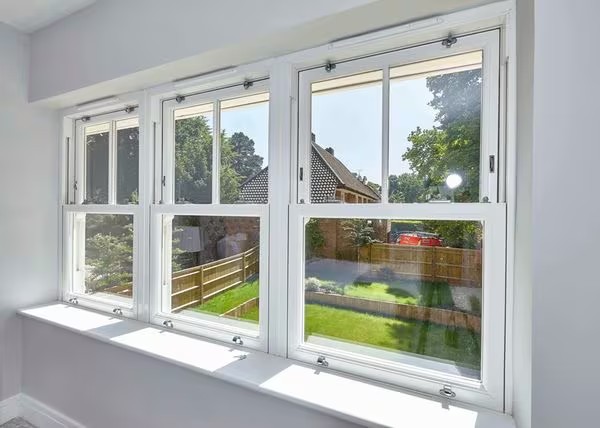
Vertical sliders suit taller openings and period homes. They are chosen for the traditional vertical look, and can be paired with decorative bars, sash horns and bay-window layouts where appropriate.
Tilt and turn windows tilt inwards at the top for secure ventilation, or turn inwards for a wider opening and easier cleaning from inside. They need enough internal clearance to operate properly.
| Style | Best for | Opening options | Consider |
|---|---|---|---|
| Casement windows | Most homes, flexible layouts and everyday ventilation. | Side-hung, top-hung, fixed panes, paired casements, bays and bows. | Choose side-hung, top-hung or fixed panes to suit each room. |
| Flush casement windows | Character homes and cleaner timber-style appearance. | Side-hung, top-hung, fixed panes, paired openings and cottage-style layouts. | Good where kerb appeal and a flatter external finish matter. |
| Vertical sliders | Traditional-looking homes and period-style openings. | Vertical slider layouts, fixed panes and bay arrangements. | Compare with casements at survey to check practicality and budget. |
| Tilt & turn windows | Controlled ventilation, inward opening and easier cleaning. | Tilt-only ventilation, full inward turn, fixed-and-opening combinations. | Suitability depends on the opening and room layout. |
| Room or need | Good options | Why |
|---|---|---|
| Bedrooms | Side-hung casement, top-hung casement, tilt & turn. | Side-hung gives strong airflow, top-hung gives lighter ventilation, and tilt & turn can help with easy cleaning upstairs. |
| Bathrooms and privacy rooms | Top-hung casement, tilt & turn, obscure glass. | Useful where you want ventilation and privacy. Obscure or patterned glass can be added to the specification. |
| Kitchens | Side-hung casement, top-hung casement, fixed-and-opening combinations. | Casements work well over sinks and worktops, but handle position and reach should be checked at survey. |
| Period or character frontage | Flush casement, vertical slider windows, decorative bars. | These options keep the front of the property more traditional while still using modern glazing and hardware. |
| Upper floors and hard-to-clean windows | Tilt & turn, suitable casement restrictors. | Tilt & turn can make cleaning easier from inside. We check whether the room has enough clearance for inward opening. |
| Large windows, bays and bow windows | Casement layouts, flush casement layouts, fixed panes with opening sashes. | Combining fixed glass with opening sections can balance appearance, ventilation, cost and practicality. |
Double glazing is standard. Triple glazing, acoustic glass, obscure glass and safety glass can be quoted where suitable.
We confirm locks, handles, restrictors, hinge choices and any safety glass requirements before you order.
Choose frame colours, cills, handles, decorative bars and privacy glass details during the survey and quote stage.
Repairs and support when you need them.
Helpful survey appointments, written quotes and practical advice before you decide.
Manufacturer-backed products and workmanship support. Terms confirmed at quote.
Focused on careful installation, clear advice and tidy working practices.
Our promise
We give clear written quotes before work starts, with the main specification set out in plain English.